
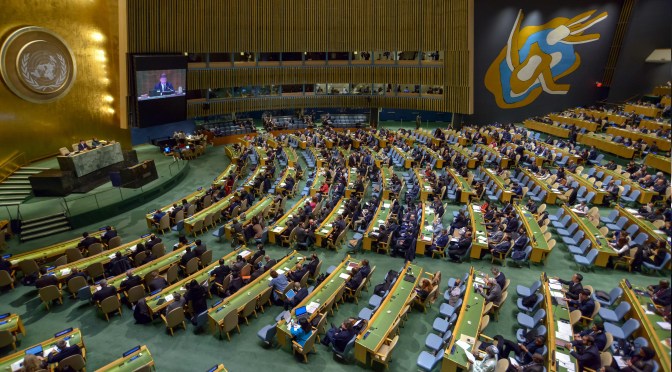
 by José A. Vázquez, UN Representative of IFFD
One more year, the Third Committee of the United Nations 73rd Session of the General Assembly approved the draft resolution titled ‘Follow‑up to the twentieth anniversary of the International Year of the Family and beyond’. The proposal was approved by consensus and without a vote on November 16th, 2018.
By its terms, the General Assembly encourages Governments to enact family‑oriented policies for poverty reduction, promote work‑family balance as conducive to the well‑being of children, invest in family policies that promote strong intergenerational interaction, provide universal and gender‑sensitive social protection systems, support the United Nations trust fund on family activities, and strengthen cooperation with civil society in the implementation of family policies.
The draft resolution was introduced by the Group of 77 and China [1], joined by Belarus, Kazakhstan, Russian Federation, Uzbekistan and Turkey.
The representative of Egypt, speaking on behalf of the Group of 77, reaffirmed the importance of the International Year of the Family and stressed that the draft can promote well‑being for all, empower women and girls, and end violence against them, as it encourages Governments to make every effort to fulfill the International Year.
The representative of Mexico said that while the family, as a fundamental core, has a variable composition depending on the country, in Mexico there are a multiplicity of families that make up society, and the Government fully respects gender diversity, where all families have state protection.
After it was approved, the representative of Austria, on behalf of the European Union, attached importance to the family, noting the crucial role of caregivers and the value of intergenerational relationships, and adding that families strengthen society, as they are living, evolving entities. As a consequence, various types of families exist and it is critical that nobody is left behind. [2]
I reproduce in this paper the approved text [3], with some notes on the previous Report of the Secretary General supporting it [4].
UN General Assembly Resolution on the
‘Follow-up to the twentieth anniversary of the International Year of the Family and beyond’
The General Assembly,
Recalling its resolutions […] concerning the proclamation of, preparations for and observance of the International Year of the Family and its tenth and twentieth anniversaries,
Recognizing that the preparations for and observance of the twentieth anniversary of the International Year in 2014 provided a useful opportunity to continue to raise awareness of the objectives of the International Year for increasing cooperation on family issues at all levels and for undertaking concerted action to strengthen family-centered policies and programmes as part of an integrated comprehensive approach to development,
Recognizing also that the objectives of the International Year of the Family and its follow-up processes, especially those relating to family policies in the areas of poverty, work-family balance and intergenerational issues, with attention given to the rights and responsibilities of all family members, can contribute to ending poverty, ending hunger, ensuring a healthy life and promoting well-being for all at all ages, promoting lifelong learning opportunities for all, ensuring better education outcomes for children, including early childhood development and education, enabling access to employment opportunities and decent work for parents and caregivers, achieving gender equality and the empowerment of all women and girls and eliminating all forms of violence, in particular against women and girls, and supporting the overall quality of life of families, including families in vulnerable situations, so that family members can realize their full potential, as part of an integrated comprehensive approach to development,
Acknowledging that the family related provisions of the outcomes of the major United Nations conferences and summits and their follow-up processes continue to provide policy guidance on ways to strengthen family centered components of policies and programmes as part of an integrated comprehensive approach to development,
Recognizing the continuing efforts of Governments, the United Nations system, regional organizations and civil society, including academic institutions, to fulfill the objectives of the twentieth anniversary of the International Year at the national, regional and international levels,
Acknowledging that the International Year of the Family and its follow-up processes have served as catalysts for a number of initiatives at the national and international levels, including many family policies and programmes to reduce poverty and hunger and promote the well-being of all at all ages, and can boost development efforts, contribute to better outcomes for children and help to break the intergenerational transfer of poverty in support of the implementation of the 2030 Agenda for Sustainable Development,
Acknowledging also that strengthening intergenerational relations, through such measures as promoting intergenerational living arrangements and encouraging extended family members to live in close proximity to each other, has been found to promote the autonomy, security and well-being of children and older persons, and that initiatives to promote involved and positive parenting and to support the role of grandparents have been found to be beneficial in advancing social integration and solidarity between generations, as well as in promoting and protecting the human rights of all family members,
- Takes note of the report of the Secretary-General;
- After the introduction (num. 1-4) and the new frameworks to strengthen national institutions (num. 5-10), the Report focuses on the objectives of the International Year of the Family: poverty reduction (num. 11-25), work-family balance (num. 26-44) and intergenerational solidarity (num. 45-58), the need to promote research and awareness-raising on them (num. 59-67), processes at the United Nations system (num. 68-97) and civil society initiatives (num. 98-105).
- The conclusions (num. 106-114) confirm the improvement made by many Member States on all these issues and give way to new recommendations on implementing family oriented policies and programmes, reinforcing the cooperation with civil society, academic institutions and the private sector, promoting research and impact assessment studies and sharing good practices (n. 115).
- Encourages Governments to continue their efforts to implement the objectives of the International Year of the Family and its follow-up processes and to develop strategies and programmes aimed at strengthening national capacities to address national priorities relating to family issues and to step up their efforts, in collaboration with relevant stakeholders, to implement those objectives, in particular in the areas of fighting poverty and hunger and ensuring the well-being of all at all ages;
- Invites Member States to invest in a variety of inclusive family oriented policies and programmes, which take into account the different needs and expectations of families, as important tools for, inter alia, fighting poverty, social exclusion and inequality, promoting work-family balance and gender equality and the empowerment of all women and girls and advancing social integration and intergenerational solidarity, to support the implementation of the 2030 Agenda for Sustainable Development;
- In El Salvador, ‘Programa Nuestros Mayores Derechos’ seeks to create a culture in which older persons are autonomous and respected. The ‘Comunidades Solidarias Rurales’ programme provides a basic universal pension for older persons and promotes intergenerational exchanges (n. 48).
- A panel discussion, organized The Department of Economic and Social Affairs of the Secretariat, through its Division for Social Policy and Development, in partnership with the International Federation for Family Development, focused on the topic ‘Inclusive Cities and Sustainable Families’ (n. 96).
- Encourages Member States to continue to enact inclusive and responsive family oriented policies for poverty reduction in line with the main objectives of the twentieth anniversary of the International Year, to confront family poverty and social exclusion, recognizing the multidimensional aspects of poverty, focusing on inclusive and quality education and lifelong learning for all, health and well-being for all at all ages, full and productive employment, decent work, social security, livelihoods and social cohesion, including through gender- and age-sensitive social protection systems and measures, such as child allowances for parents and pension benefits for older persons, and to ensure that the rights, capabilities and responsibilities of all family members are respected;
- The mention to the ‘multidimensional aspects of poverty’ should be understood in the context of the Global Multidimensional Poverty Index, developed by the Oxford Poverty & Human Development Initiative and the UN Development Programme. More information available at: https://ophi.org.uk/multidimensional-poverty-index/.
- The briefing ‘Leaving no child behind: promoting youth inclusion through quality education for all’, organized by the International Federation for Family Development in cooperation with the Permanent Mission of Qatar at the UN Headquarters, advocated for the importance of quality child education for responsible citizenship (n. 84).
- As mentioned in the Report, Colombia has implemented a national public policy to strengthen families (‘Política Pública Nacional de Apoyo y Fortalecimiento a las Familias’), and ‘Más Familias en Acción’ (More families in action) offers monetary incentives in education and health for vulnerable families with children, while its ‘Ingreso para la Prosperidad Social’ (Income for Social Prosperity Programme) seeks to increase levels of education for heads of households in poverty (n. 15).
- In Chile, the child protection programme entitled ‘Chile Crece Contigo’ (Chile grows with you) recognizes the dimensions of child development (n. 35) and in Rwanda a month-long family campaign has been organized on an annual basis since 2011. (n. 66).
- The recently updated family grant programme ‘Bolsa Família’ in Brazil complements the income of more than 50 million families in the country (n. 76).
Other examples include (n. 77):
- Paraguay: conditional cash transfers are provided to households living in poverty, 70 per cent of which are headed by women;
- Sweden invests in family policies that focus on supporting early childhood care and education, which it considers the most efficient way to fight poverty;
- Thailand has established a child support scheme for vulnerable families which recently benefited 190,000 children;
- In 2016, Poland introduced a programme entitled ‘Rodzina 500 Plus’, which offers monetary transfers for families with two or more children to increase the economic stability of households and respond to demographic challenges;
- In the Islamic Republic of Iran, assistance to households headed by women is offered;
- In Malawi, conditional cash transfers for vulnerable households aim to reduce poverty, improve nutrition and encourage the enrolment of children in school;
- Productive safety nets in Zimbabwe provide employment in community infrastructure projects for vulnerable households, complementing cash transfers.
- Also encourages Member States to promote work-family balance as conducive to the well-being of children, the achievement of gender equality and the empowerment of all women and girls, inter alia, through improved working conditions for workers with family responsibilities, flexible working arrangements, such as telecommuting, and leave arrangements, such as maternity leave and paternity leave, affordable, accessible and good-quality childcare and initiatives to promote the equal sharing of household responsibilities, including unpaid care work, between men and women;
- According to the report, longer maternity, paternity and parental leave provisions, the option to work reduced hours and telecommuting have been introduced in several Member States, and the public sector has often been a pioneer in offering work-life balance measures for its employees (n. 27).
- Hungary has also prioritized support to mothers re-entering the labour market, and the employment rate of women has grown from 50 to 60.2 per cent in the past 6 years (n. 32). In Jordan, the National Council for Family Affairs has been implementing a project to establish and support nurseries and childcare centres in the private sector to encourage women to participate in the labour market (n. 38).
- Flexible working arrangements and telecommuting are expanding in the Russian Federation: special training courses are also offered to help women returning from long-term parental leave improve their job qualifications in the competitive labour market (n. 40).
- In Peru, the Fatherhood Platform Peru (‘Plataforma de Paternidades Perú’) seeks to encourage men to participate in caring for their children, and is composed of organizations and institutions of government, civil society and companies (n. 54).
- Further encourages Member States to invest in family policies and programmes that enhance strong intergenerational interactions, such as intergenerational living arrangements, parenting education and support for grandparents, including grandparents who are primary caregivers, in an effort to promote inclusive urbanization, intergenerational solidarity and social cohesion;
- ‘Parenting education’ is mentioned in this resolution for the second time in a row, and it refers to programmes targeted to improve fathers’ and mothers’ parenting skills, while ‘parental education’ relates to their educational attainment.
- The Hungarian pension system fosters intergenerational solidarity and reduces inequality, reallocating resources between the young and old generations: both formal employment and childcare activities count towards pension entitlements (n. 50).
- Several Member States have invested in intergenerational facilities and supporting interactions among generations, such as parenting education to improve the well-being of children, though more evaluations are needed to ascertain the long-term impact and effectiveness of such programmes (n. 112).
- Encourages Member States to consider providing universal and gender-sensitive social protection systems, which are key to ensuring poverty reduction, including, as appropriate, targeted cash transfers for families in vulnerable situations, as can be the case of families headed by a single parent, in particular those headed by women, and which are most effective in reducing poverty when accompanied by other measures, such as providing access to basic services, high-quality education and health-care services;
- Encourages Governments to support the United Nations trust fund on family activities;
- More information about this fund is available at: https://bit.ly/2RlVnzK.
- Encourages Member States to strengthen cooperation with civil society, academic institutions and the private sector in the development and implementation of relevant family policies and programmes;
- Cooperation with civil society is reinforced with this paragraph, following the initiatives undertaken by many civil society organizations to contribute to the implementation of the twentieth anniversary of the International Year.
- Some examples of this advocacy effort include COFACE Families Europe and its vision for the reconciliation of economy and society (98); the events organized by the Walmart Centre for Family and Corporate Conciliation at the IAE Business School in Argentina (n. 99); the Global Home Index, an initiative of the Home Renaissance Foundation designed to evaluate how home-based work is valued and how it contributes to human development (n. 100); the Exchange Programme on the Wofoo Asian Award organized by the Consortium of Institutes on Family in the Asian Region and the Family Council in Hong Kong (n. 102); and the International Conference on the Family and Sustainable Development, organized in Lagos by the Institute for Work and Family Integration, in partnership with the International Federation for Family Development and the Nigerian Association for Family Development.
- Encourages further collaboration between the Department of Economic and Social Affairs of the Secretariat and the United Nations entities, agencies, funds and programmes, as well as other relevant intergovernmental and non-governmental organizations active in the family field, as well as the enhancement of research efforts and awareness-raising activities relating to the objectives of the International Year and its follow-up processes;
- Requests the focal point on the family of the Department of Economic and Social Affairs to enhance collaboration with the regional commissions, funds and programmes, recommends that the roles of focal points within the United Nations system be reaffirmed, and invites Member States to increase technical cooperation efforts, consider enhancing the role of the regional commissions on family issues and continue to provide resources for those efforts, facilitate the coordination of national and international non-governmental organizations on family issues and enhance cooperation with all relevant stakeholders to promote family issues and develop partnerships in this regard;
- This mention of the focal point on the family strengthens this position and shows new possibilities to consolidate it.
- Calls upon Member States and agencies and bodies of the United Nations system, in consultation with civil society and other relevant stakeholders, to continue to provide information on their activities, including on good practices at the national, regional and international levels, in support of the objectives of the International Year and its follow-up processes, to be included in the report of the Secretary-General;
- Requests the Secretary-General to submit a report to the General Assembly at its seventy-fifth session, through the Commission for Social Development and the Economic and Social Council, on the implementation of the objectives of the International Year and its follow-up processes by Member States and by agencies and bodies of the United Nations system;
- Decides to consider the topic ‘Implementation of the objectives of the International Year of the Family and its follow-up processes’ at its seventy-fourth session under the sub-item entitled ‘Social development, including questions relating to the world social situation and to youth, ageing, disabled persons and the family’ of the item entitled ‘Social development’.
—-
[1] The Group of 77 is the largest intergovernmental organization of developing countries in the United Nations, and the original number of members has increased to 134 countries since it was established in 1964. More information available at: http://www.g77.org/.
[2] Cf. UN Meetings Coverage and Press Releases (3rd Committee, 16 Nov. 2018), available at: https://www.un.org/press/en/2018/gashc4254.doc.htm
[3] A/C.3/73/L.19/Rev.1, available at: https://undocs.org/A/C.3/73/L.19/Rev.1.
[4] A/73/61-E/2018/4, available at: https://undocs.org/A/73/61


 en su artículo La Historia y la ley, amenaza la objetividad del enfoque histórico, poniendo en riesgo la independencia de la historia como ciencia. De este modo, el historiador se vería desplazado en su misión de indagar la verdad del pasado por el detentador del poder político, que subyugaría la historia a su exclusivo interés. De aquí -añade este miembro de la Academia Francesa- la tendencia a tergiversar el pasado y a fiscalizar la labor de los historiadores, tan propia de los sistemas totalitarios. Esta es la razón del peligro que éste advierte para el conjunto de los ciudadanos, al privárseles de un conocimiento profesional de la historia que empobrece o anula la libre opinión y el debate público. Por el contrario, para Rémond el historiador puede suscitar la articulación de una conciencia histórica sobre el pasado más reciente, ahondando con rigor en su saber integral frente a la subjetividad de la memoria
  de España del 16 de abril de 1939 había invitado a una política de pacificación acorde con los principios inculcados por la Iglesia, en el que se garantizara una benévola generosidad para con los equivocados. Según el Pontífice debían iluminarse las mentes de los engañados por el materialismo, proponiendo el camino de una justicia individual y social que, contenida en el Evangelio, asegurara la paz y prosperidad de la nación
 Ávalos –depurado en 1942 por su militancia socialista− pudo comprenderlo hasta convertirse en el principal escultor del Valle. Fue él uno de los que también insistió en dar al complejo un tono despolitizado si en verdad quería materializarse aquel deseo de hermandad. Dicho empeño engarzaba con el sentir de aquellas palabras finales de José Antonio Primo de Rivera, sepultado a los pies del altar mayor: ojalá fuera la mía la última sangre española que se vertiera en discordias civiles. De hecho, en el interior de la basílica sólo se hallan imágenes y representaciones religiosas con el fin de alentar el sentimiento de perdón que impone el mensaje evangélico, a decir del decreto de 1957. Su propósito reconciliador y funerario quedan bien perfilados
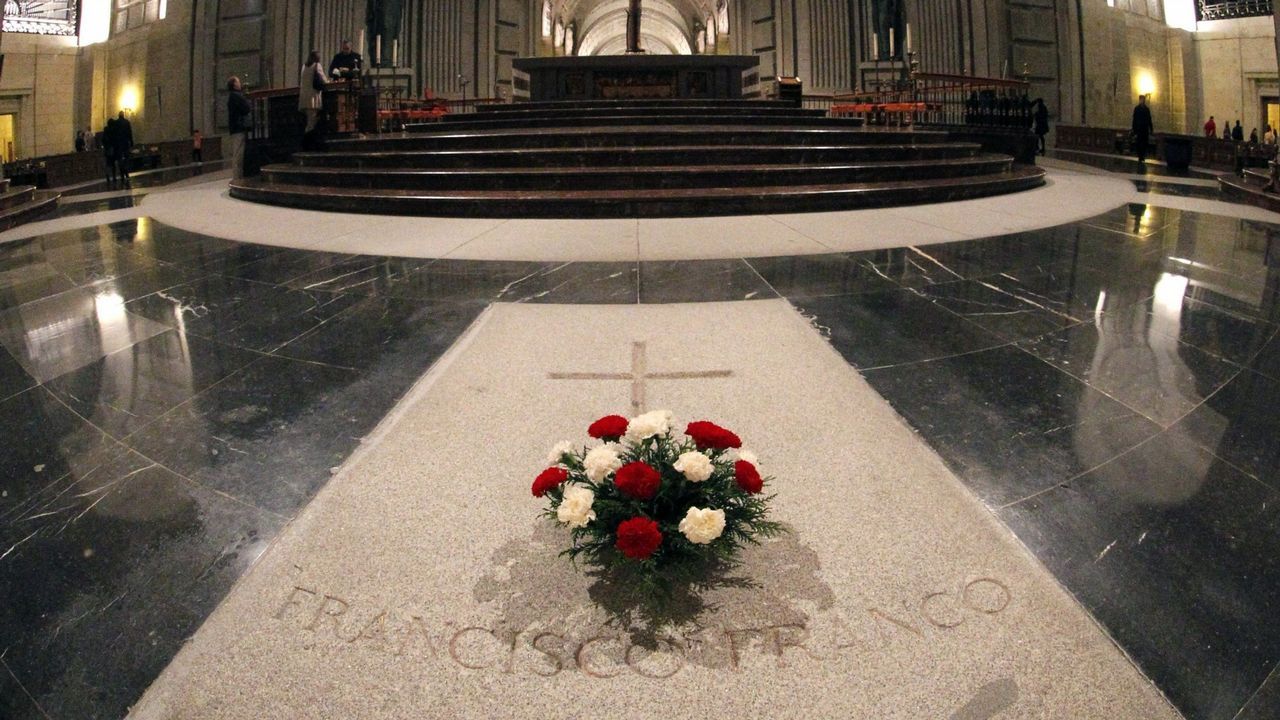 benefactores. Así lo entendió el gobierno de Carlos Arias de acuerdo con el príncipe, luego rey Juan Carlos, según el protocolo previsto en la operación Lucero ante el inminente deceso de Franco. No cabe duda de que levantar un cadáver de un recinto sagrado, menospreciando el parecer de la comunidad benedictina que lógicamente ha de secundar la voluntad de los familiares, es una conculcación del derecho particular. Para obviarlo, el Tribunal Supremo lo ha presentado como un asunto público que trasciende el derecho de los familiares

 por Víctor Zorrilla, filósofo
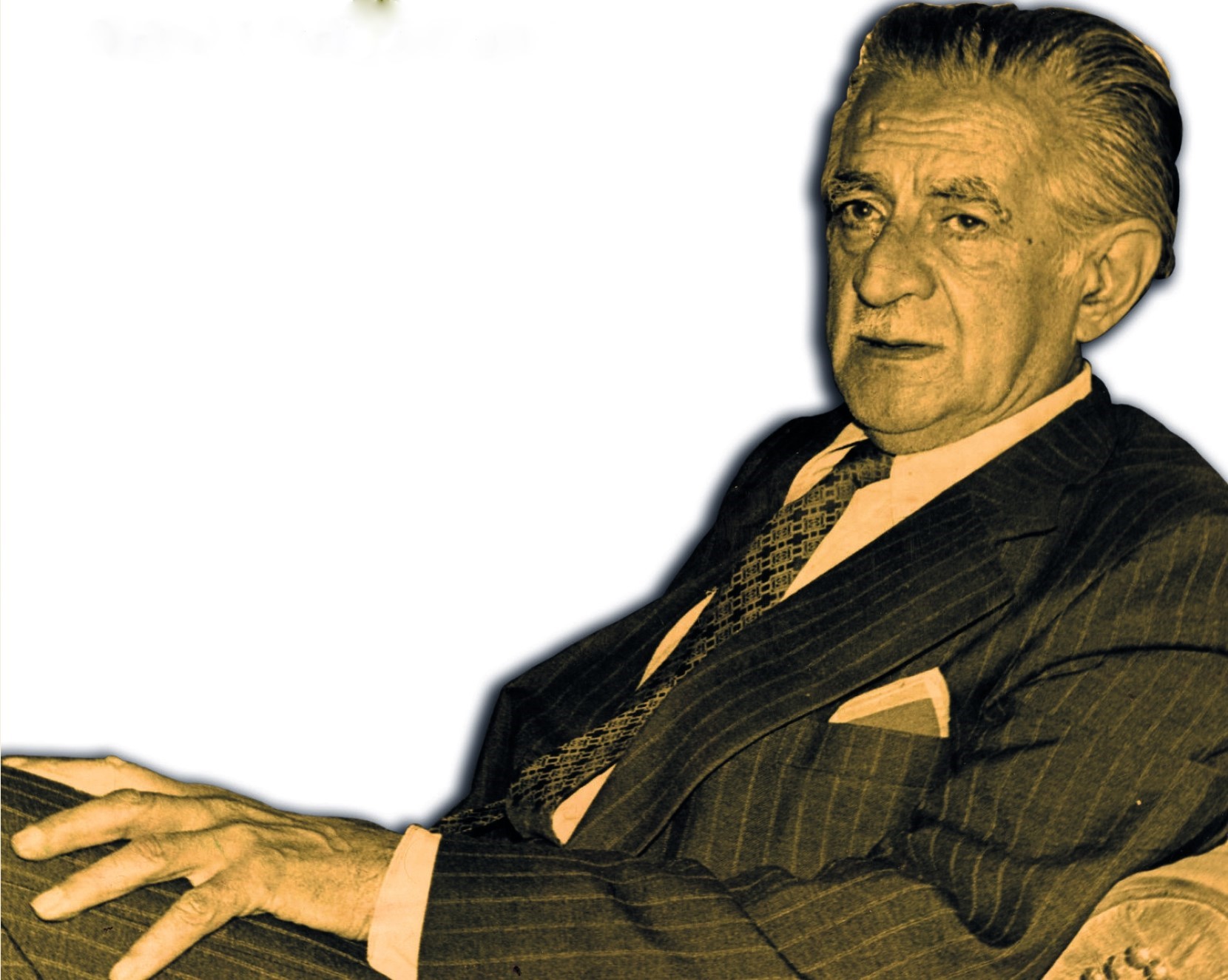 Uno de los principales filósofos chilenos, Millas fue profesor en la Universidad de Chile y en la Universidad Austral. Hizo estudios de posgrado en filosofía y psicología en Estados Unidos. Fue profesor visitante en la Universidad de Columbia y miembro de varias sociedades académicas. Algunas de sus obras son: Idea de la individualidad (1943), Goethe y el espíritu del Fausto (1949), Ensayos sobre la historia espiritual de Occidente (1960), El desafío espiritual de la sociedad de masas (1962), Idea de la filosofía (1970) y La violencia y sus máscaras (1978). Entre sus principales influencias se cuentan Bergson, Husserl, William James y Ortega y Gasset.
 propuesto, en un contexto diferente, una concepción del poder de raigambre tomista que, a la par que suscribía la doctrina de la soberanía popular, dejaba a salvo la validez del poder político legítimamente establecido. Tal concepción se basaba en una idea fundamental que proporciona a la reflexión política su cimiento metafísico: la del origen natural de la sociedad humana y, por tanto, del poder político erigido para gobernarla. De esta manera, Vitoria consiguió impugnar tanto el absolutismo monárquico como los movimientos de carácter anarquizante surgidos al filo de las reformas protestantes

 papel de Miguel Cañete, un humilde labrador que debe incorporarse al servicio militar y afrontar no pocas vicisitudes, puede despertar en cualquiera de nosotros ese momento en el que nos separamos de nuestra zona de confort y damos nuestros primeros pasos como hombres o mujeres adultos, con independiencia de que se haya prestado o no el servicio de las armas. A pesar de las primeras dudas que pueden aparecer en los albores de esa transición, no se duda de la importancia de la misma y con el mayor empeño posible, se intenta estar a la altura de las circunstancias.
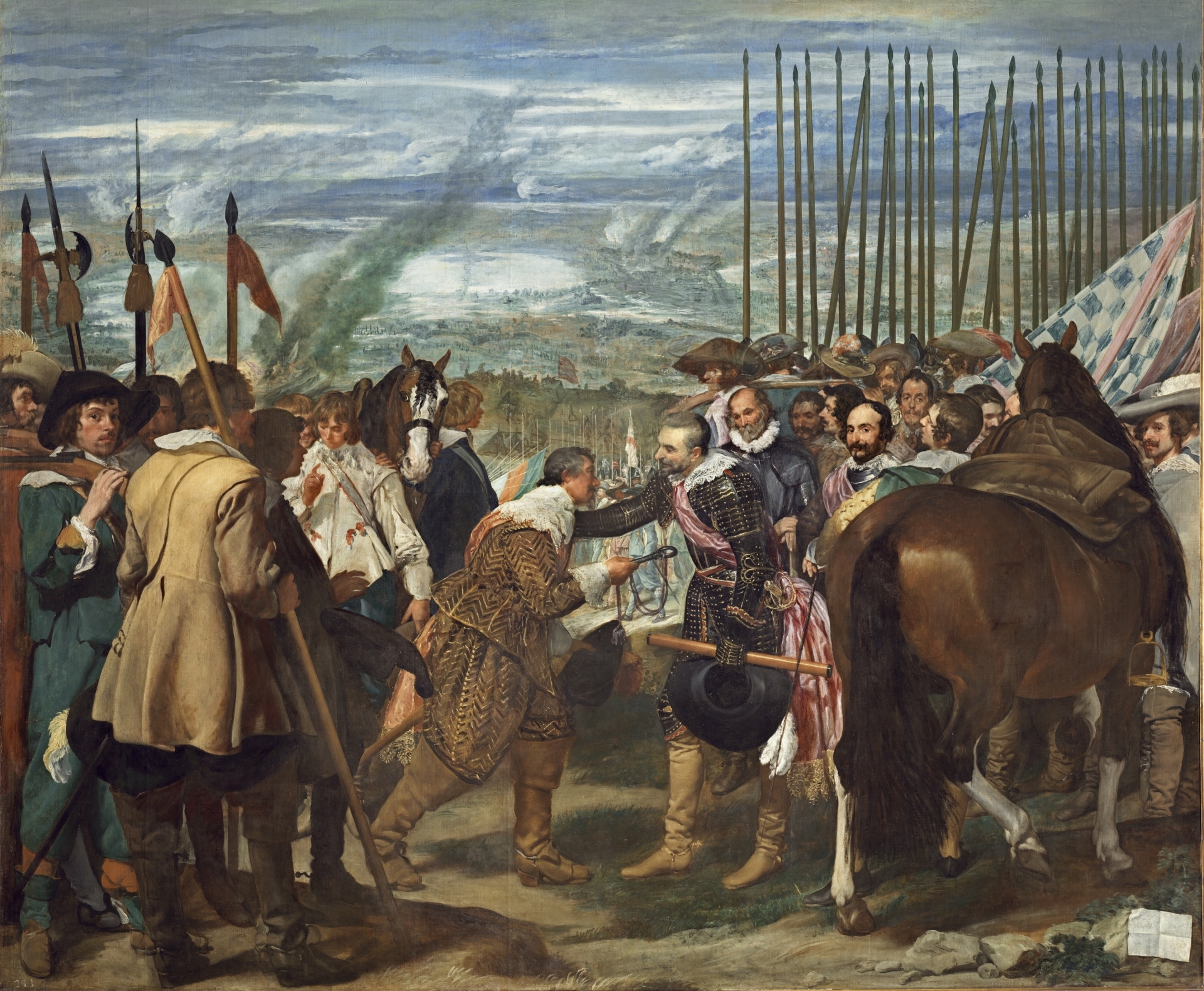 El valor de la ejemplaridad tiene una gran fuerza cuando nos movemos en el ámbito de los valores. Difícilmente una persona puede ser un auténtico ejemplo de vida para el resto si no actúa en coherencia entre el ser y el hacer. Cada uno de los miembros del Ejército debe aspirar a ser tenido como modelo de soldado y ciudadano. El mando debe ser un anexo de ejemplaridad, en palabras del filósofo José Ortega y Gasset.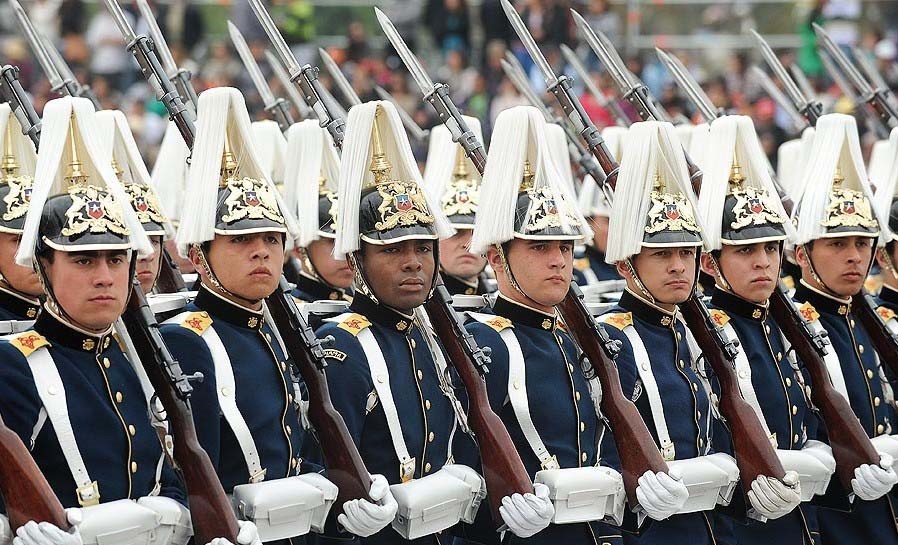

 edio lo es entre dos vicios, uno por exceso y otro por defecto, y también por no alcanzar en un caso y sobrepasar en otro el justo límite en las pasiones y acciones, mientras que la virtud encuentra y elige el término medio. Por eso, desde el punto de vista de su entidad y de la definición que enuncia su esencia, la virtud es un término medio, pero desde el punto de vista de lo mejor y del bien.

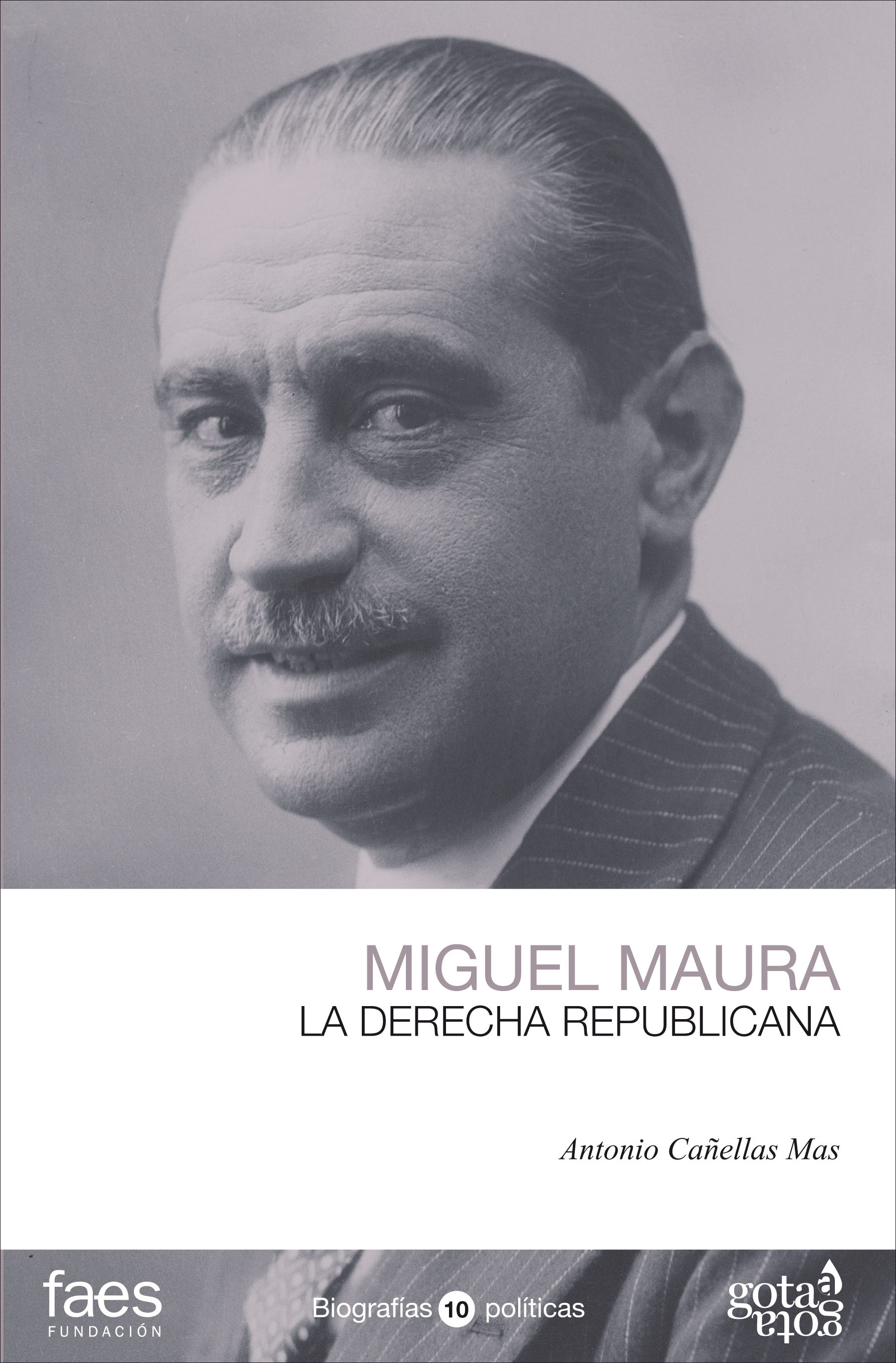
 entonces la demanda de las minorías selectas, especialmente instruidas para el liderazgo del país en todos sus ámbitos, formulada por José Ortega y Gasset en su España invertebrada de 1921. Fueron muchas las coincidencias de Miguel Maura con el filósofo madrileño, hasta el punto de ensayar un intento de colaboración política durante la República que finalmente no cuajó.

 por Fernando Riofrío, filósofo y jurista
 consistía en una crisis del conocimiento. Es decir, una crisis en el espíritu que altera o perjudica la confianza en el poder de nuestro entendimiento para conocer la realidad. Este problema radica en los cambios de mentalidad del siglo XX cuando se produjo un rechazo acusado de la tradición. Había que encontrar nuevos conocimientos, al margen de la tradición y las costumbres que guiaban a la comunidad. A esto se sumó el creciente relativismo militante de finales de la centuria.
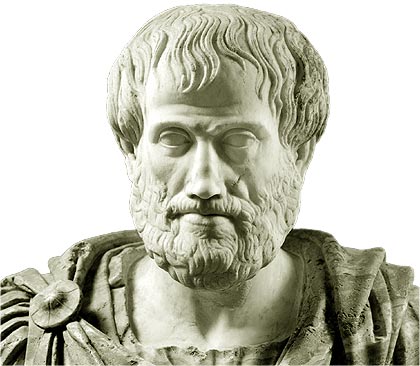 Esta seguridad sólida y cierta se basa en la necesidad que tiene la cosa conocida fuera de la mente, y no en la actividad del sujeto pensante. En efecto, el entendimiento humano recibe el conocimiento de las cosas. Y, como dice Aristóteles, las cosas son la causa del conocimiento que tenemos de ellas. Son la causa de la verdadera estimación que el entendimiento tiene de las cosas mismas.
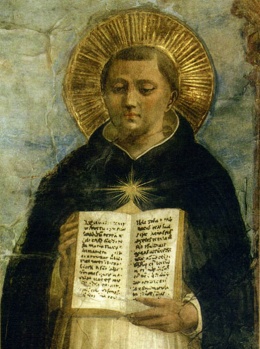 necesita para tener un conocimiento de ellas. Es claro que el entendimiento no crea la información que conoce, sino que viene de las cosas que aquél comprende. Pero, no solamente la información proviene de las cosas mismas, sino que el entendimiento mismo tiene un diseño natural. Según éste, el entendimiento humano está hecho para recibir la información que es impresa en él por las cosas mismas.
 artes pensó que la ciencia universal debía ser una ciencia que partiese de cero; mediante una duda universal, que él llamó duda metódica. Descartes pretendió dudar de todo, y escogió como método para iniciar su ciencia universal, una duda universal, que, según él le condujo a admitir la existencia del sujeto cognoscente.

 acuerdo de estrecha colaboración que mirara al bien común de la sociedad. De ahí la importancia acerca de la concepción de la persona, entendida no sólo como un mero ente biológico, sino como criatura que refleja la imagen de Dios a través de esas mentadas capacidades naturales que se integran dentro del orden moral dado por el Creador.
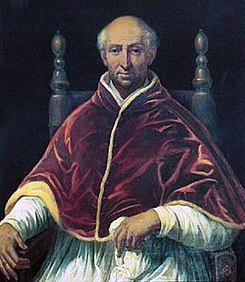 de abstracción. Desde esta premisa y ante los descubrimientos de nuevas poblaciones primitivas en la costa africana del Atlántico, se planteó si a esos indígenas debían reconocérseles su condición de seres humanos. Eran muchos los pensadores que rechazaron la naturaleza humana de esas tribus y, por consiguiente, sus posibilidades de Redención. Sin embargo, Clemente VI esbozó entonces los derechos naturales inherentes a todo hombre (la vida, la libertad y la propiedad) según la lógica del realismo aristotélico-tomista que negaran los nominalistas. De acuerdo con esa óptica, resultaba ilícito someter estos pueblos a esclavitud. Más tarde, con el hallazgo del Nuevo Mundo en 1492, la respuesta salmantina iba a ser contundente: aunque los nativos careciesen todavía de la suficiente formación cultural, éstos eran plenamente humanos y así cabía tratarlos, instruyéndolos en todos los órdenes, especialmente en el de la fe, para que pudieran progresar como personas y alcanzar la Salvación.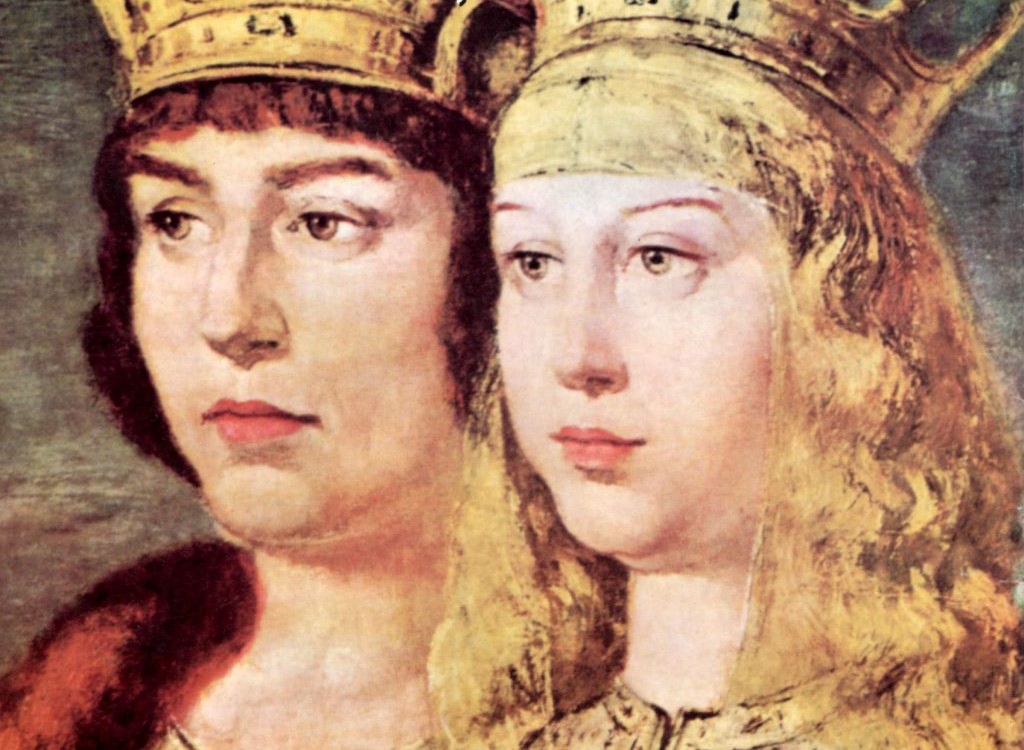

 progresado como lo hizo sin las sabias y minuciosas investigaciones de Marie Curie. Tres ejemplos sobresalientes, concordantes a un tiempo con sus maridos (Fernando de Aragón, Manuel Murguía y Pierre Curie, respectivamente), que acabó por favorecer el auge recíproco de su obra pública y familiar con un equilibro bastante logrado.
 marxista que preconizara Simone de Beauvoir en 1962. La maternidad, lejos de elogiarse, se percibe como una muestra de debilidad frente al varón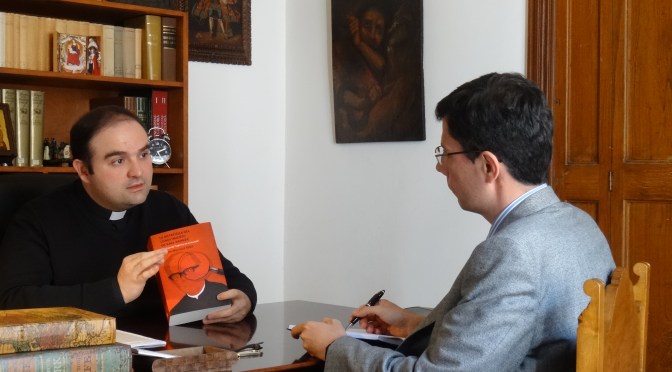
 Ordenado sacerdote de la Diócesis de Mallorca (España) en 2007, mosén Mercant es miembro de la Sociedad Internacional Tomás de Aquino. Desde 2017 es Doctor con Premio Extraordinario en Estudios Tomísticos por la Universidad Abat Oliba CEU (Barcelona), especializado en la metafísica y la gnoseología tomistas. Su tesis doctoral, publicada íntegramente en esta voluminosa edición de 1069 páginas, fue dirigida por el prestigioso tomista Rvdo. Dr. Ignacio Andereggen. También ha publicado
  a este teólogo de Freiburg, es menester analizarlo desde sus fundamentos filosóficos. Con el presente libro, Mn. Jaime Mercant Simó, haciendo un análisis pormenorizado de Geist in Welt (Espíritu en el mundo), demuestra cómo el doctor Rahner, mediante su Erkenntnismetaphysik (metafísica del conocimiento), tergiversa los principios de la metafísica y la gnoseología tomistas prácticamente en su totalidad, llevando el cogito cartesiano hasta sus últimas consecuencias, identificando en el hombre el ser, el conocer y el ser conocido.
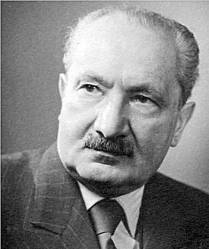 Martín Heidegger, el cual entiende al hombre como un Dasein (ser ahí) arrojado en el mundo, siendo este mundo meramente un existenciario. Rahner es infiel a su maestro al entender al hombre, al modo hegeliano, como espíritu, pero es fiel a la filosofía existencial de Heidegger cuando considera al hombre como ser en el mundo (In-der-Welt-sein) y como ser en el tiempo (In-der-Zeit-sein).
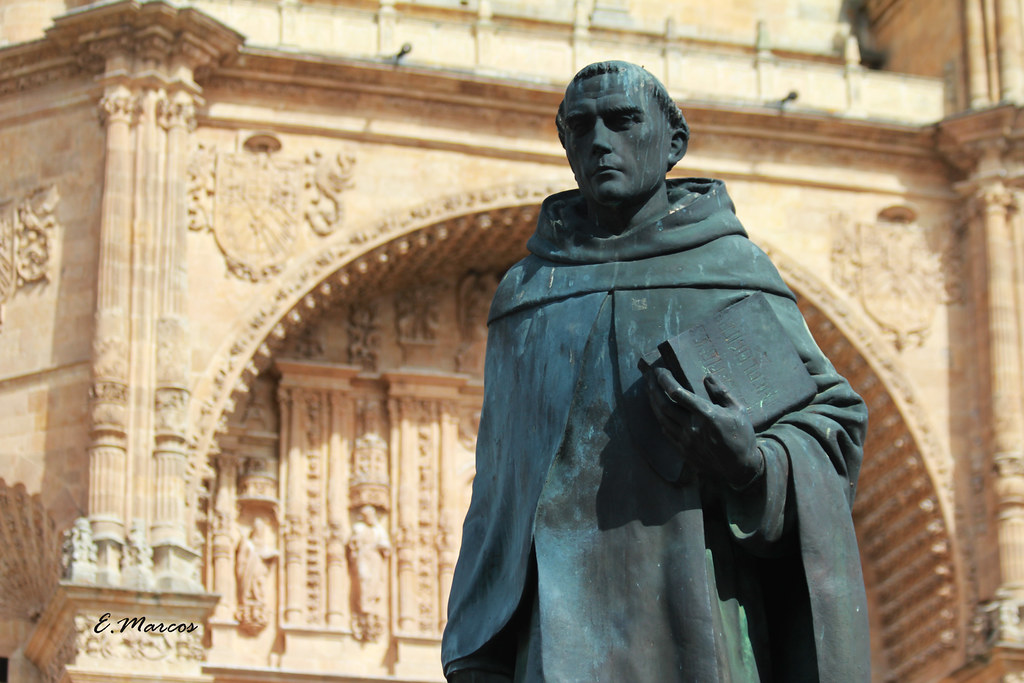 políticas o jurídicas, siempre las consideraban como hacía santo Tomás de Aquino, es decir, sub ratione Dei. El problema que se padece hoy en día dentro del ámbito de la filosofía cristiana ―y aquí incluyo a muchos tomistas― es que se ha olvidado que la filosofía debe servir a la teología y que no puede hacerse ninguna metafísica o teoría del conocimiento sin tener en cuenta a Dios; el pretenderlo es ir ―sic et simpliciter― en contra del pensamiento y de las intenciones del Aquinate, lo cual, como es natural, va en detrimento del tomismo mismo, pues éste queda terriblemente debilitado ante el pensamiento secularizante que existe fuera, pero también dentro de la Iglesia. La escolástica hispana del Siglo de Oro no fue en ningún caso pusilánime. La modernidad tuvo éxito en los países protestantes o en Francia que, a pesar de ser católica, presentaba frecuentes disensiones y muchos síntomas de confusión que ahora no hay tiempo de explicar, pero que la historia de los siglos posteriores se ha encargado de mostrarnos las nefastas consecuencias que sufrió todo el Occidente cristiano.
 encontramos el germen de la modernidad. Esto es cierto y yo mismo lo recuerdo en mi tesis doctoral. También hago una crítica de la influencia que Rahner recibió de la escolástica suarista que le enseñaron los profesores jesuitas en sus años de formación. Sin embargo, este suarismo formalista va más allá de Suárez mismo, aunque es bien cierto que, en lo esencial, Rahner sigue los principios de la metafísica del Doctor Eximio. En particular, hay que mencionar la reducción del ser (esse) ―acto y perfección― a la existencia ―presencia fáctica en la realidad―; la identificación de esta misma existencia con la esencia; y el cambio de concepción de la teoría del acto y la potencia, entendiendo la misma potencia como un non ens simpliciter. Evidentemente, Rahner extrema los principios suaristas aplicándolos a la filosofía idealista y existencialista. Según Rahner, la concienticidad es, a la vez, la esencia y la existencia del hombre. Sin embargo, no podemos afirmar que Rahner sea suarista en el sentido de que siga ad pedem litterae la metafísica de Suárez. Es más, me atrevo a decir que si Rahner hubiera sido fiel a Suárez, no hubiera llegado a enseñar las aberrantes doctrinas filosóficas y teológicas que tanto daño hicieron a la Iglesia en la época postconciliar.
 CIDESOC